The Central Valley housing market in August 2026 is doing what elevated mortgage rates have trained it to do: waiting. With the 30-year fixed rate sitting at approximately 6.6 percent, the market is

Dated: September 12 2026
Views: 64
The Central Valley housing market in August 2026 is doing what elevated mortgage rates have trained it to do: waiting. With the 30-year fixed rate sitting at approximately 6.6 percent, the market is operating at a pace that feels slow to sellers expecting the urgency of 2021 and 2022, manageable to buyers who understand what the current environment actually offers, and frustrating to anyone who thought this year would deliver the rate relief that was forecast but has not yet fully arrived.
The valley housing market remains sluggish, a characterization that is accurate but that requires unpacking if it is going to be useful to the buyers, sellers, and households trying to make real decisions in this environment.
Loan officers, mortgage specialists, and real estate professionals working on the ground in Fresno and the broader San Joaquin Valley are delivering a consistent message to their clients in August 2026: the slow market is a temporary condition, not a structural failure. The buyers who are using this slowdown to prepare, to get pre-qualified, to understand their budget, and to position themselves ahead of the competition that will arrive when rates eventually decline are the ones who will come out ahead. The ones who are waiting passively for rates to drop before they begin any preparation at all are setting themselves up for the exact competition they are trying to avoid.
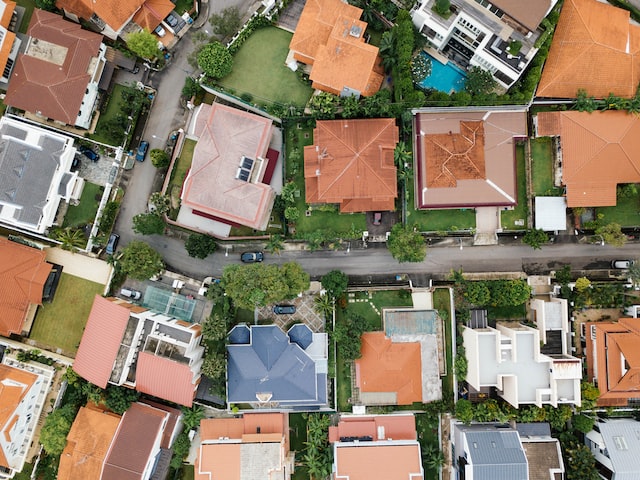
The 30-year fixed mortgage rate at approximately 6.6 percent as of August 18, 2026 is the defining variable shaping buyer behavior across the Central Valley. Paul Salazar, a loan officer with American Pacific Mortgage who works with buyers across the Fresno area, has been watching buyer psychology closely throughout 2026, and what he describes is a market where clients are not disengaged but are monitoring rates actively and calibrating their timing based on when they expect relief to arrive.
The rate environment that is shaping the August 2026 Central Valley market:
Salazar has been clear with clients and with the broader public about what the numbers actually require in the August 2026 market. The median home price in the Central Valley is approximately $475,000 by his assessment, reflecting the broader San Joaquin Valley market rather than just Fresno city, and the income required to qualify for a home at that price point is considerably higher than what the Valley median household income can support without dual earners and disciplined debt management.
The income and debt reality for Central Valley buyers targeting a $475,000 home in August 2026:
Salazar's most actionable and most important message to Valley buyers in August 2026 is not about rates. It is about competitive positioning. The current slow market, where buyers are competing with only a few other offers on any given median home price rather than the ten or fifteen offers that characterized the peak years, represents a window that closes when rates decline. The buyers who use this window to complete their pre-qualification process will be prepared to act decisively when conditions improve. The buyers who wait until rates fall before starting any preparation will enter a suddenly competitive market without the documentation, approval, or confidence to move quickly.
Why pre-qualification now is the most strategically sound action a Valley buyer can take in August 2026:

Linda Peltz Realtor - eXp Realty* Born in Denver Colorado and raised in Arvada, Colorado. * Grandmother was a Realtor * Been buying and selling real estate since my early 20’s. I have been in th....
The Central Valley housing market in August 2026 is doing what elevated mortgage rates have trained it to do: waiting. With the 30-year fixed rate sitting at approximately 6.6 percent, the market is
August 2026 has delivered what Fresno buyers have been waiting for and what sellers have been slowly, sometimes reluctantly, adapting to: the most balanced housing market the Central Valley city has
Most people hear the words "real estate" and immediately think about houses.But residential real estate is only one part of a much larger industry.Industrial buildings, warehouses, manufacturing
The Fresno real estate market entered July 2026 in a state that resists easy categorization. It is not a sellers market in the way Fresno sellers experienced between 2020 and 2022, when homes
Additional:
4021 N Fresno St suite 107Should you require assistance in navigating our website or searching for real estate, please contact our offices at 888-584-9427.
CA License # CA DRE# 01997670
Our Fresno appointment office and Clovis realtor appointment
Check out my Redfin Partner Agent reviews here.

----------------------------------------------------------------------------------------
Please leave me a nice review and help all my future clients locate me.



 © 2026 Fresno Association of REALTORS ®. All rights reserved. The data relating to real estate for sale on this web site comes in part from the Internet Data eXchange (IDX) of the Multiple Listing Service. Real estate listings held by brokerage firms other than Fresno - eXp Realty of California, Inc. CA DRE#01878277 are marked with the IDX logo and detailed information about them includes the name of the listing broker and the name of the listing agent.
All data, including all measurements
and calculations of area, is obtained from various sources and has not been, and will not be, verified by broker or MLS. All information should be independently reviewed and verified for accuracy. Properties may or may not be listed by the office/agent presenting the information.
Show More...
© 2026 Fresno Association of REALTORS ®. All rights reserved. The data relating to real estate for sale on this web site comes in part from the Internet Data eXchange (IDX) of the Multiple Listing Service. Real estate listings held by brokerage firms other than Fresno - eXp Realty of California, Inc. CA DRE#01878277 are marked with the IDX logo and detailed information about them includes the name of the listing broker and the name of the listing agent.
All data, including all measurements
and calculations of area, is obtained from various sources and has not been, and will not be, verified by broker or MLS. All information should be independently reviewed and verified for accuracy. Properties may or may not be listed by the office/agent presenting the information.
Show More...
